
Wednesday March 5, 2025
A foggy start this morning clearing to another bright, sunny day for exploring the North Devon coast.
First stop this morning was Lynmouth, which is nestled below a really steep hill. We followed a tourist bus (who’d obviously done it before) down the narrow single lane. There were times when the bus must have been centimetres from scraping the side or parked cars, but somehow it made it down.

The village of Lynmouth straddles the West Lyn and East Lyn rivers in a gorge 700 feet below Lynton. I read somewhere how early travellers thought it reminded them (Lynmouth, not the bus) of Switzerland – on account of the scenic landscape and (presumably) also so people knew they’d also been to Switzerland. The Victorian equivalent of been there, bought the t-shirt, “so to speak… “it was so much better before it was spoiled by tourism…” we all know the type.

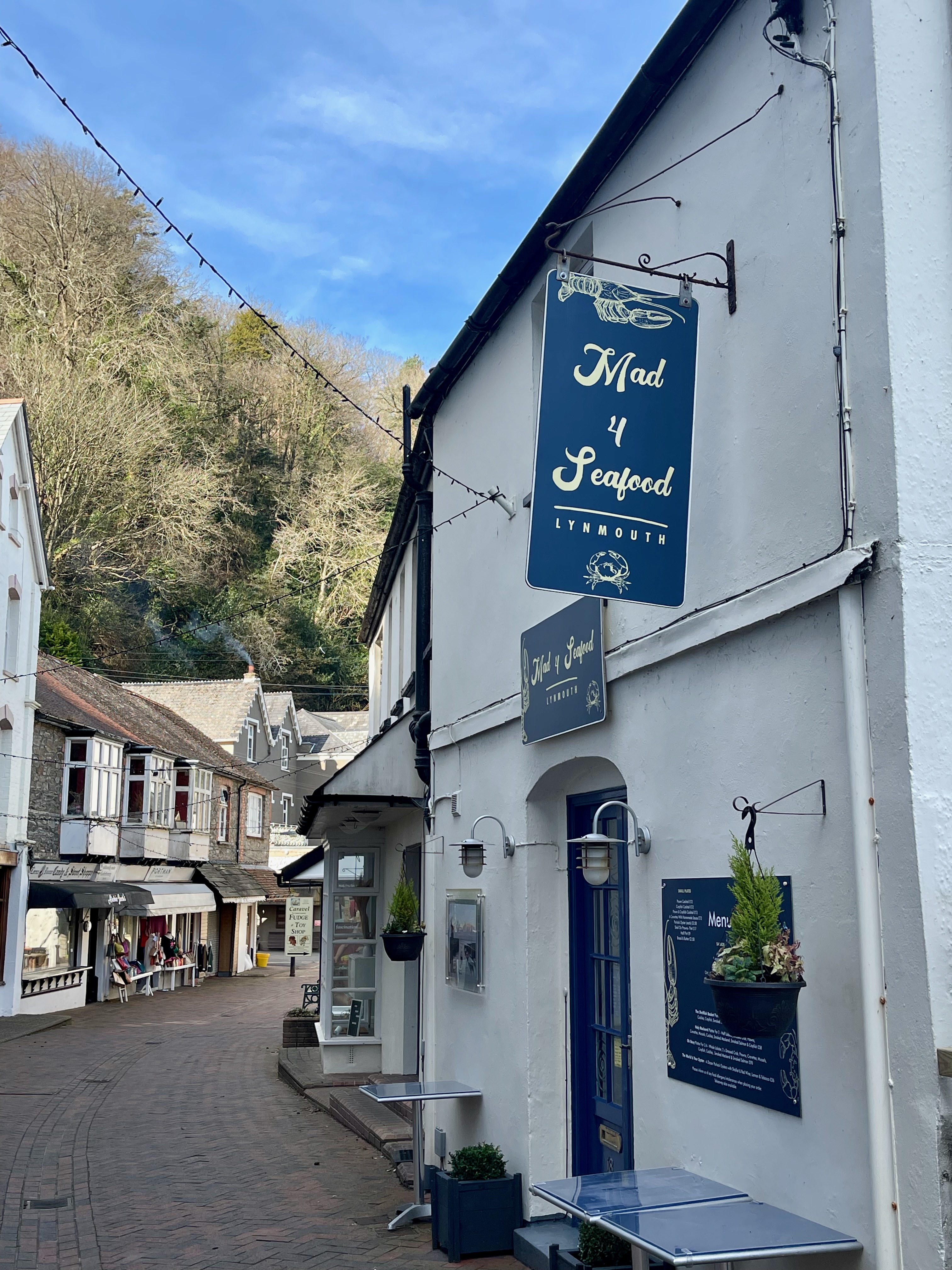


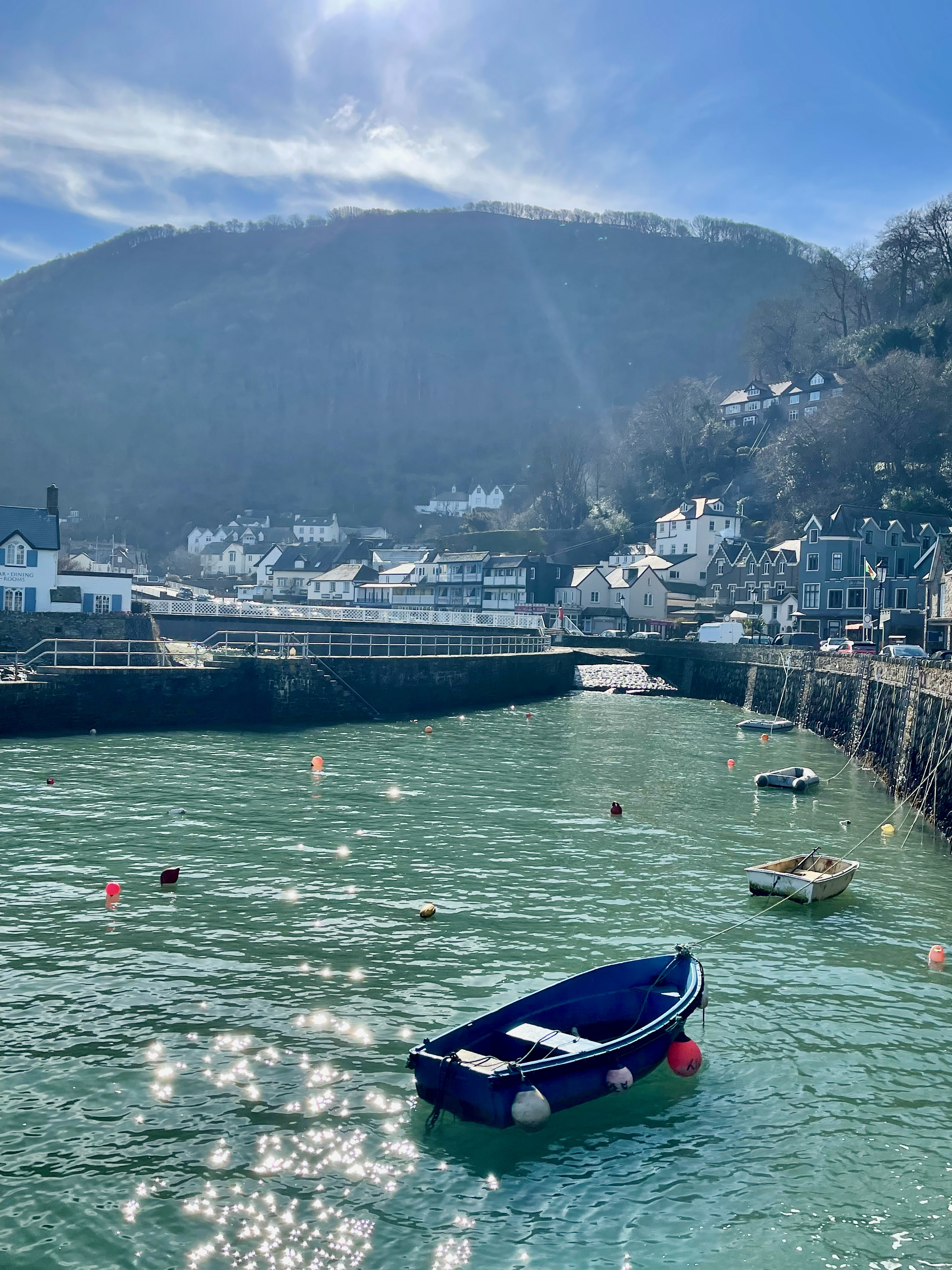
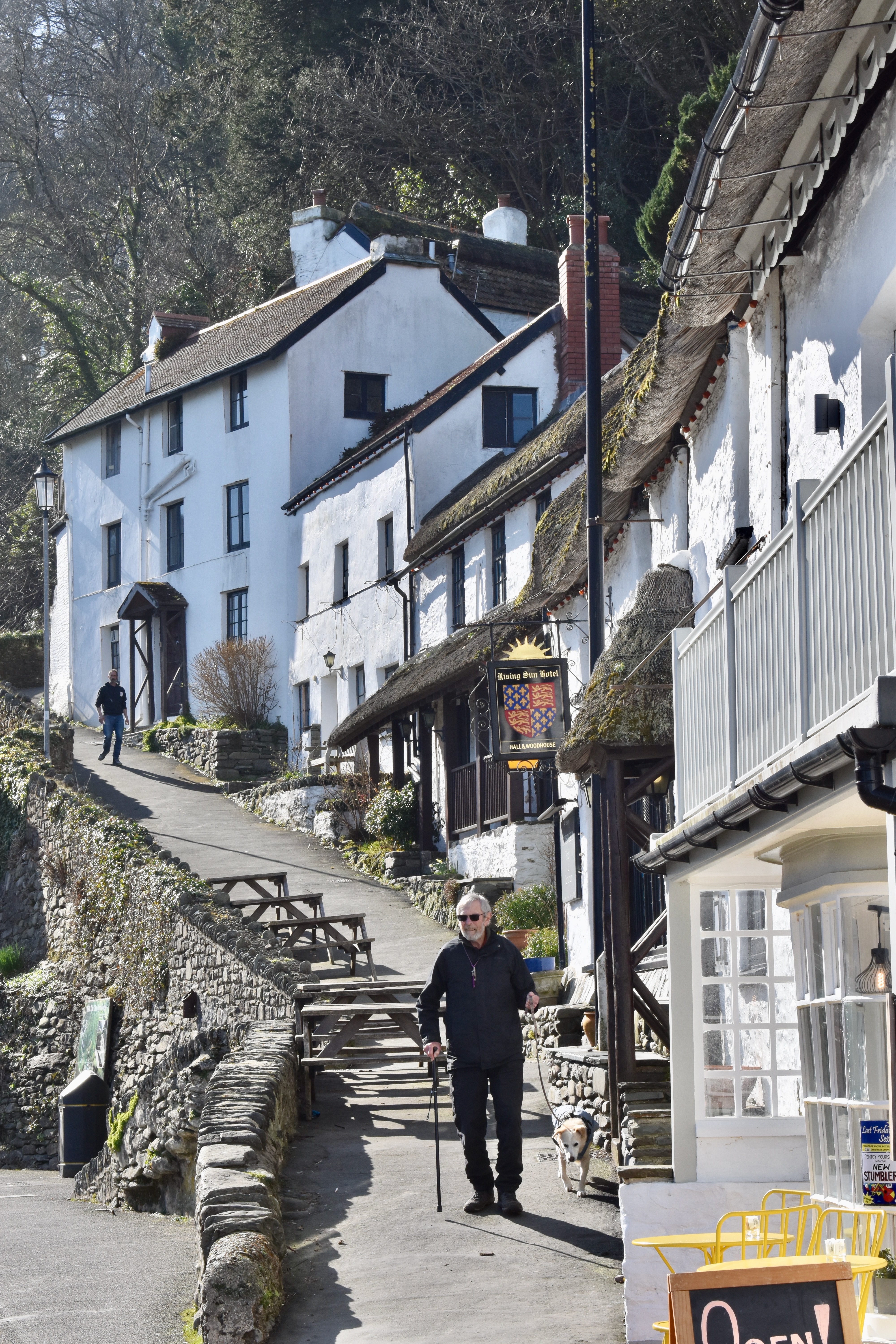
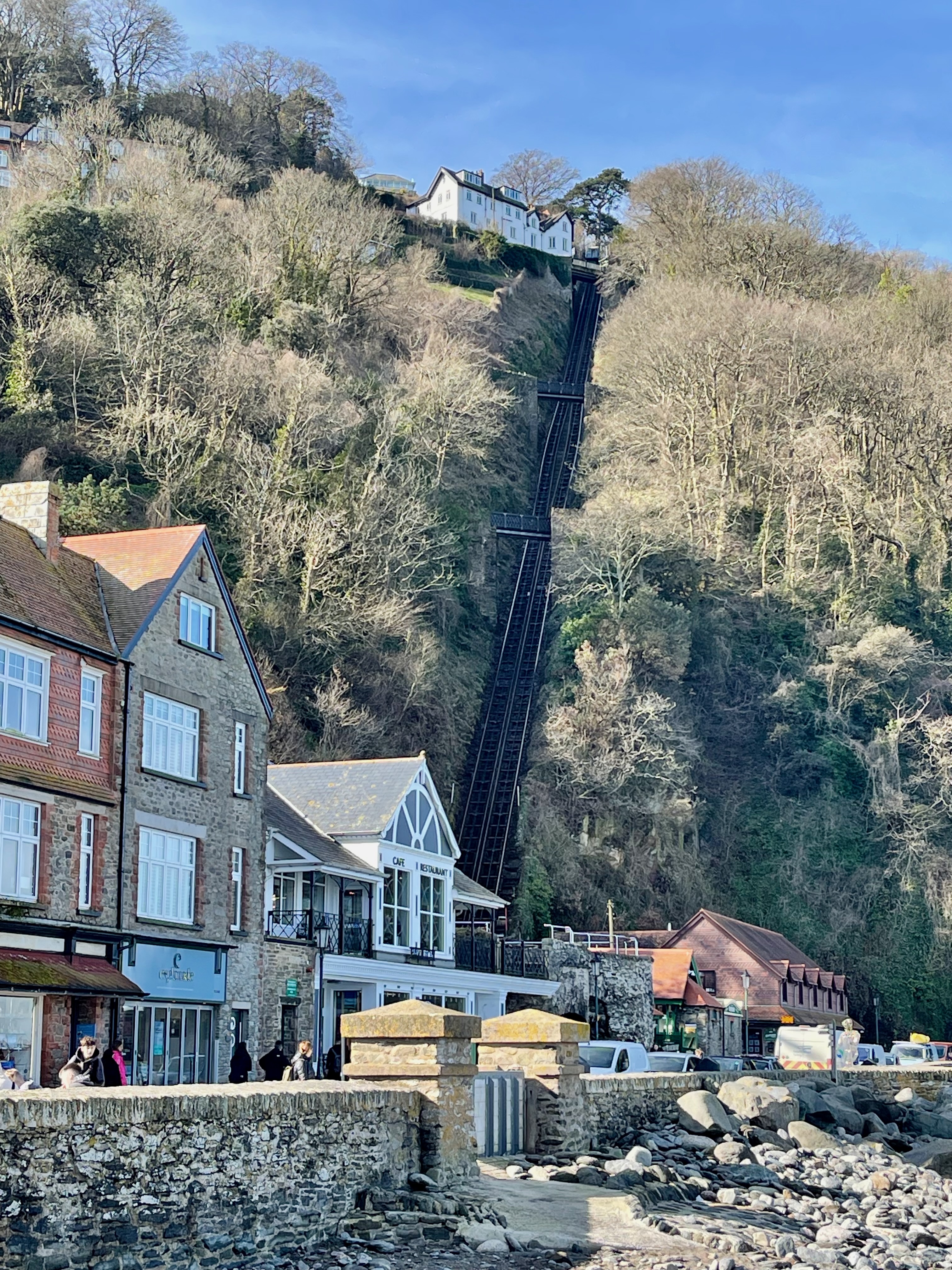
The little water-powered funicular railway that links Lynton (at the top of the hill) with Lynmouth (at the bottom) was opened in 1890. It’s like a super-cute park and ride and saves you having to do the hill with its narrow lanes – although I hadn’t read about that before we did the hill with its narrow lanes. Hey ho. To be honest, I hadn’t done any planning or research for today’s drive at all. It was more a case of:
Grant: What are we doing today darlin’?
Me: What do you want to do?
Grant: Not drive as far as yesterday.
Me: Let’s head north.
Grant: What’s there?
Me: No idea, but how wrong can we go?
The artist Thomas Gainsborough honeymooned here and reckoned it was “the most delightful place for a landscape painter this country can boast” and the romantic poet Shelley also spent time and was inspired here.

In 1952, massive rain (229mm or 9”) in 24 hours on already waterlogged Exmoor sent a deluge of floodwater down the valley. One hundred buildings were destroyed or seriously damaged along with 28 or the 31 bridges. Dozens of cars were washed out to sea, 34 people died and another 420 were made homeless.
After this disaster, the village was rebuilt and the river diverted around the village.
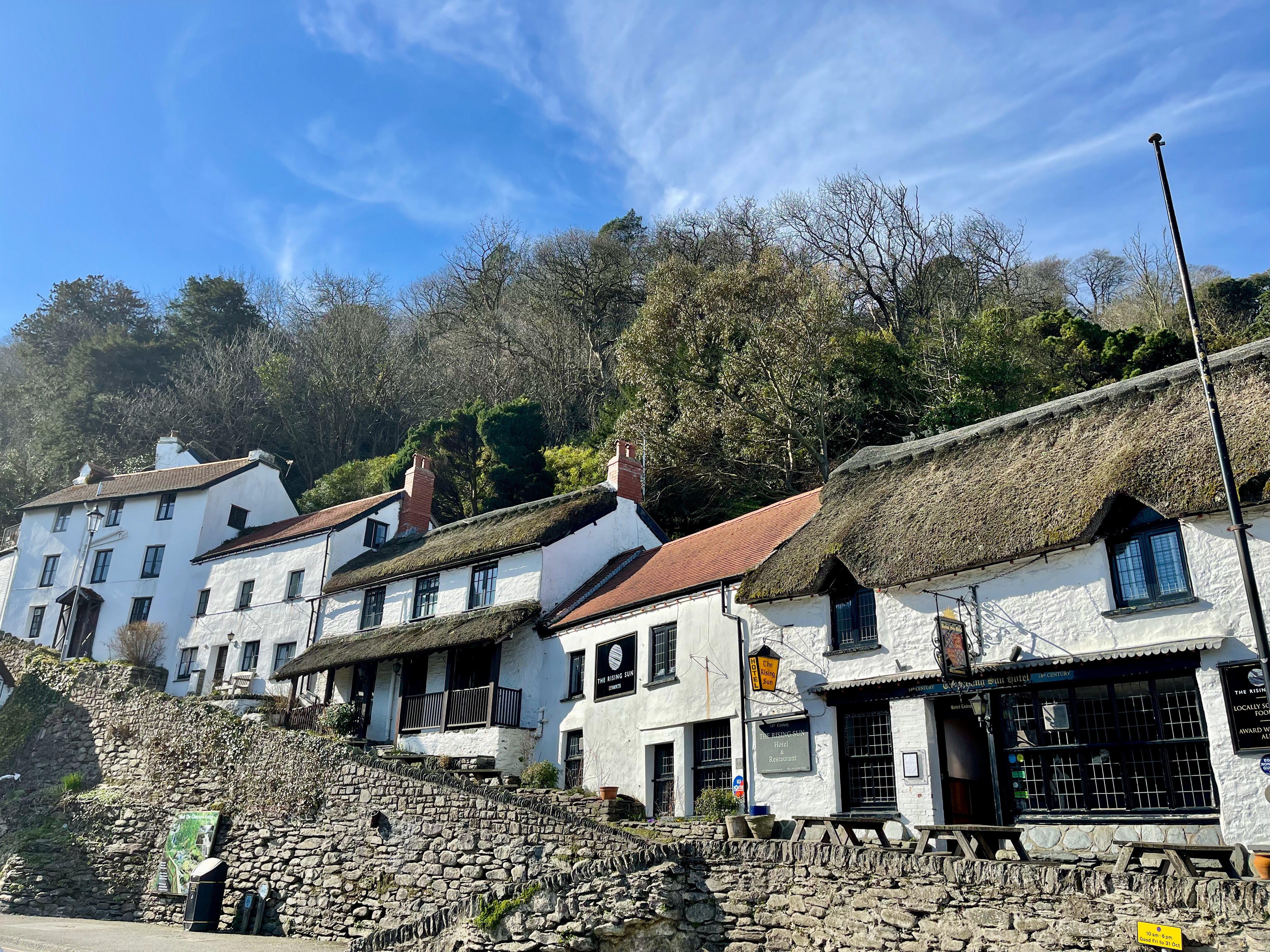
Want another story? One that combines tragedy and heroism and remarkable feats of resilience? Well, at 7.52pm on a stormy January 12 in 1899, the Lynmouth Lifeboat Station received a telegram saying the Forrest Hall,a 1,900 ton ship sailing from Bristol to Liverpool, carrying eighteen men was in trouble and in danger of running ashore at Porlock.
The weather was too terrible to even think of launching the lifeboat off Lynmouth so a call was made to carry it overland – up that dreadful steep hill (Countisbury Hill), across Exmoor and down the hazardous terrain of Porlock Hill into the relatively sheltered waters of Porlock Weir – a distance of 13 miles in galeforce winds. Did I mention that the lifeboat, the Louisa, was 10 metres long and weighed 10 tons?
Anyways, about 100 people and 18 horses gathered to haul the boat up and over, with some men sent on ahead with shovels to widen parts of the road.
It took all night to get the boat around to the sea, arriving at around 6.30am on January 13. Despite being tired and hungry, they launched almost immediately and had to row for another hour through the stormy seas to reach the Forest Hall. While some of the lifeboatmen boarded the stricken ship to relieve the exhausted sailors, the others remained on the lifeboat, woeing continuously.Then came the wait for tugboats which towed the ship across the channel to Barry (Gavin and Stacey anyone?). The Forest Hall and all its crew safely arrived in Barry at 6pm that night.
The ordeal wasn’t yet over for the Lynmouth lifeboatmen who had to row back home, arriving at 11.30am on the 14th, presumably to a heroes welcome. (Thanks to the RNLI site for this little piece of history).

Beyond Lynmouth
After driving through Ilfracombe and Mortehoe (a lovely village) we followed the coast around Woolacombe Bay to Braunton and lunch at Squires.
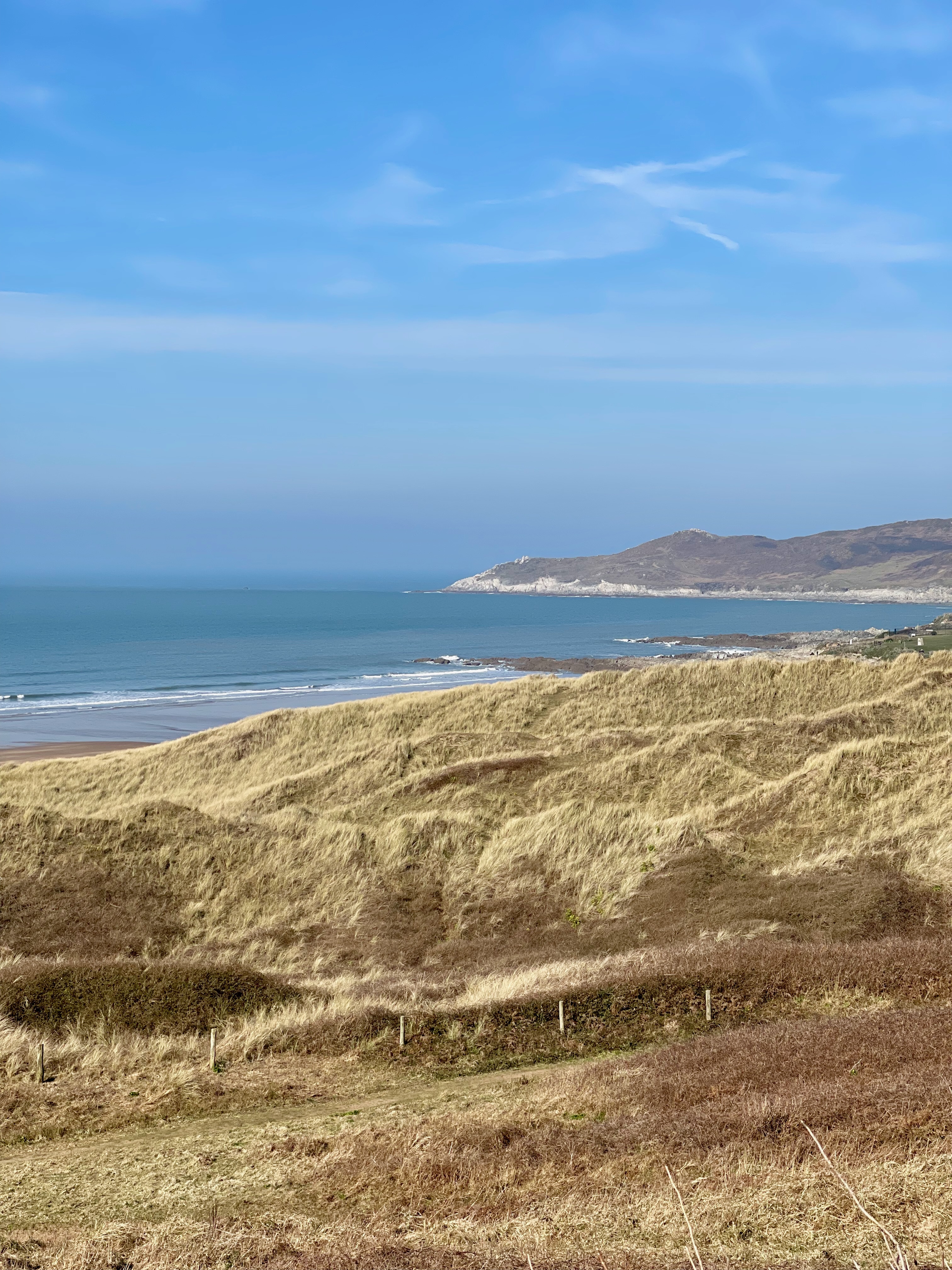
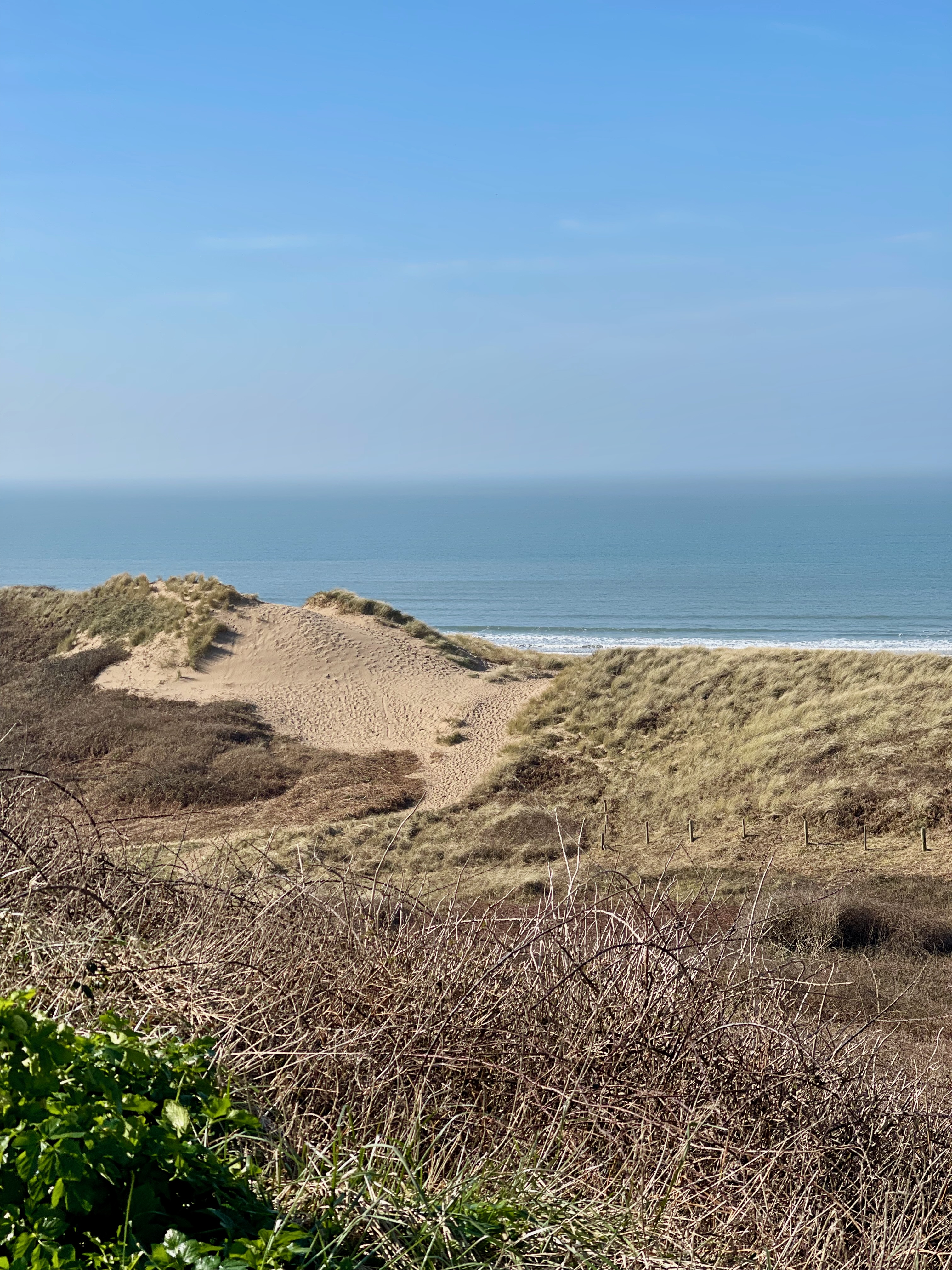
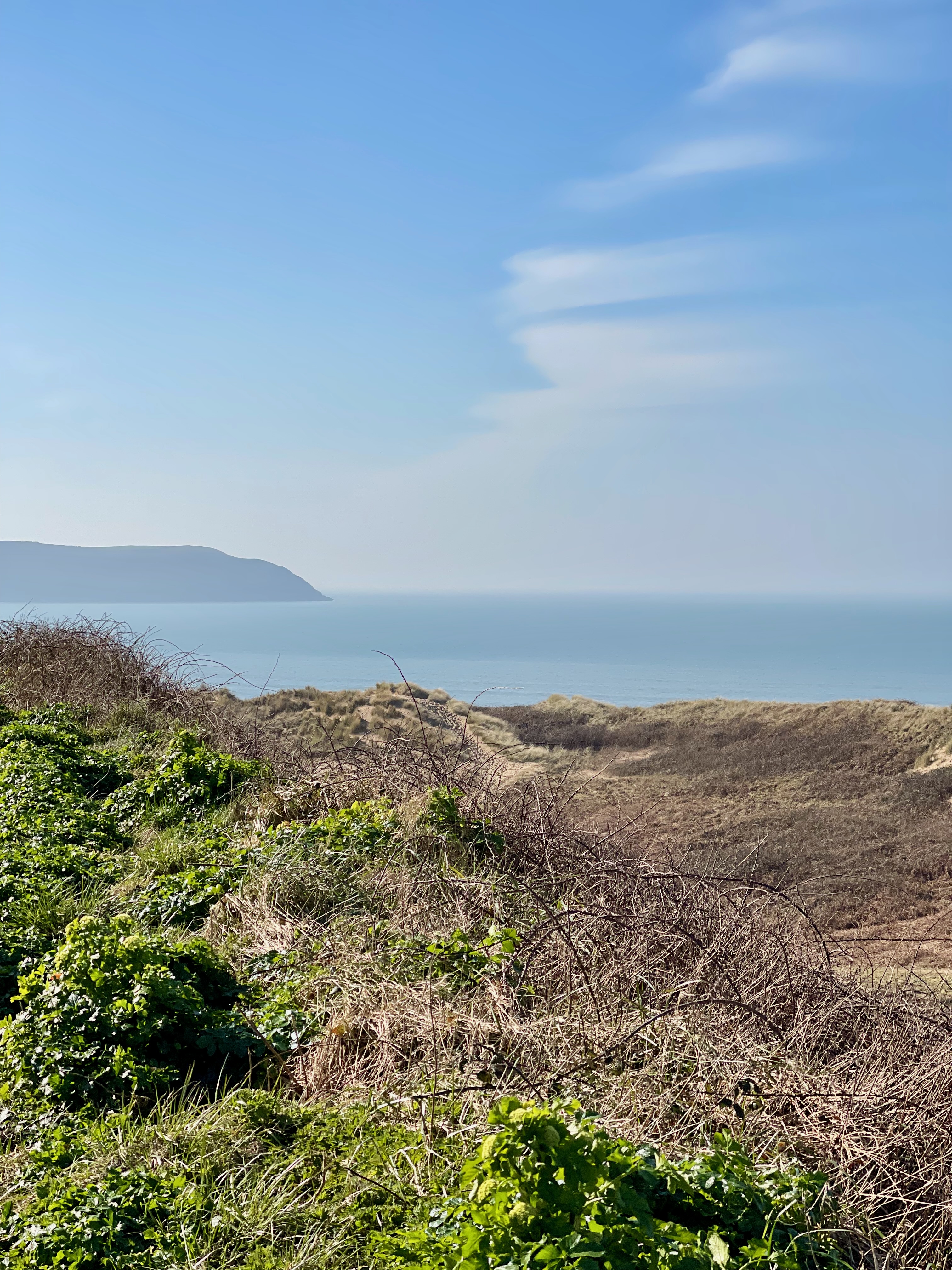


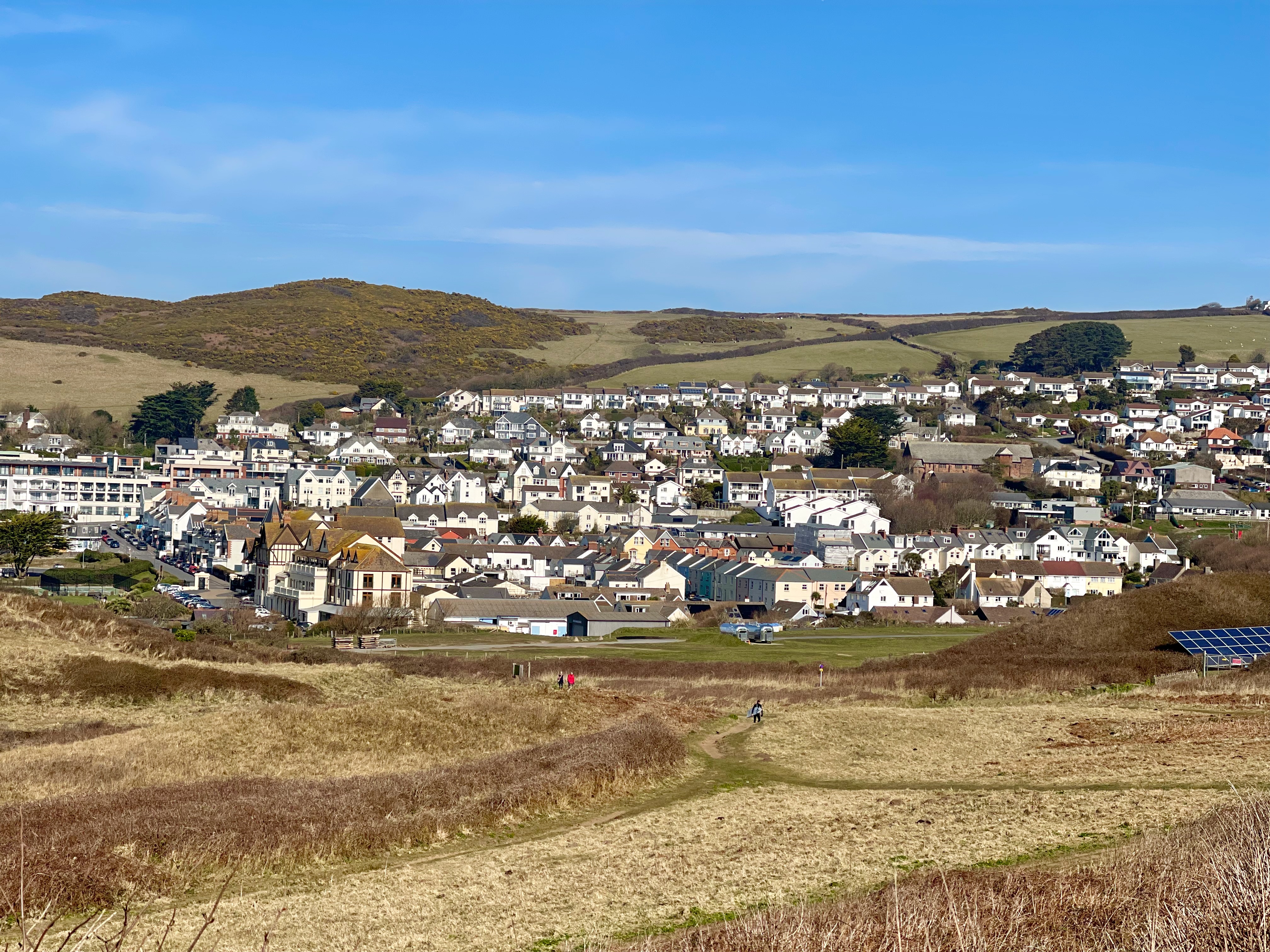

Squires, a family-run business for over 50 years, specialises in fish and chips (it has a similar reputation to The Magpie in Whitby) and has the awards to prove it.

We each had cod with chips and curry sauce. I had a side of coleslaw and Grant ordered a side of mushy peas. The portions were huge, so we (deliberately) left some on our plates.
While we’d intended to head around the coast to Appledore, Harland and possibly even Clovelly, we decided we’d done enough driving for the day (again, we’d visited these places last time we’d stayed at Fursdon) and headed home – via the farm shop at Thorverton again.
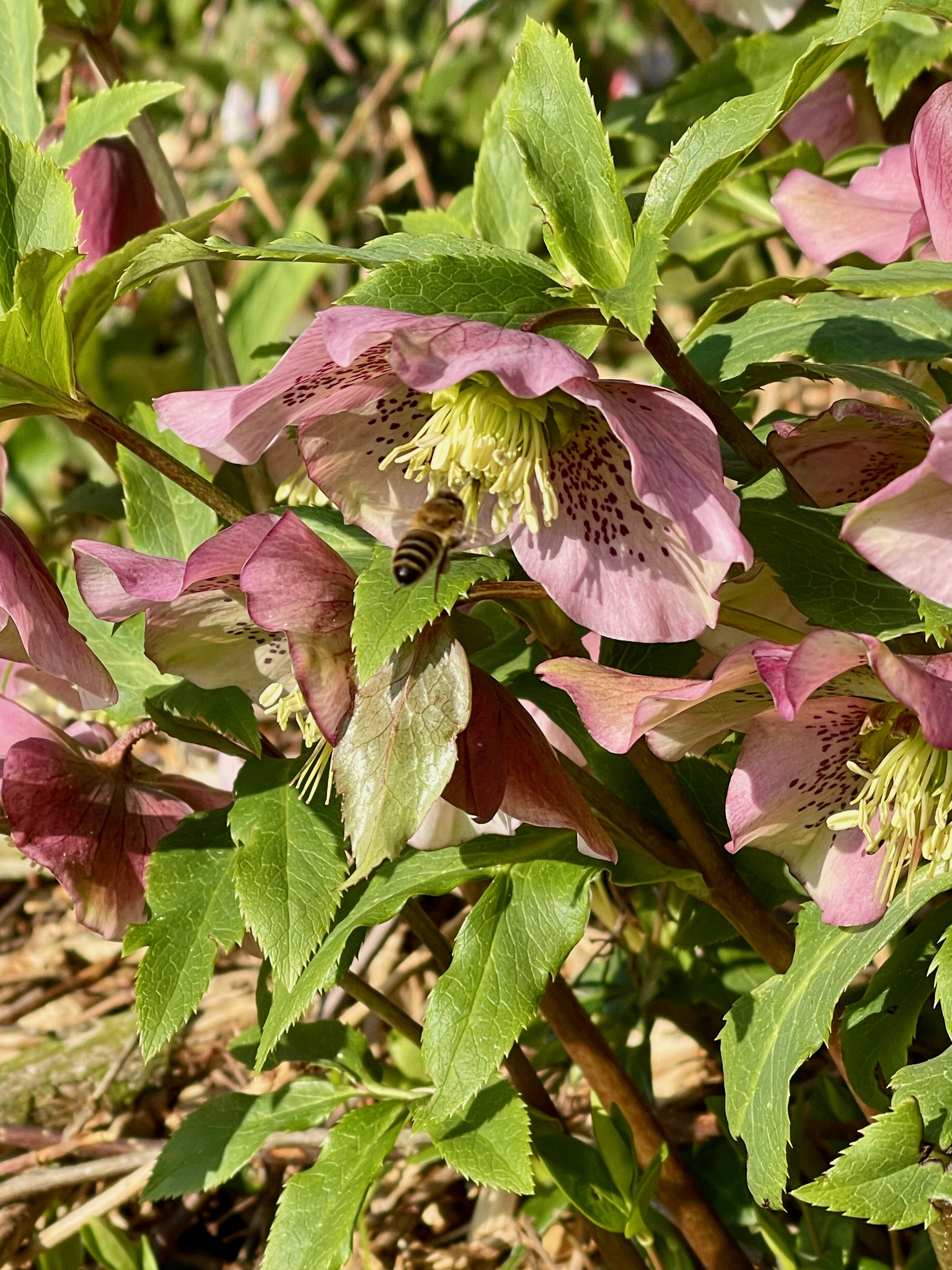
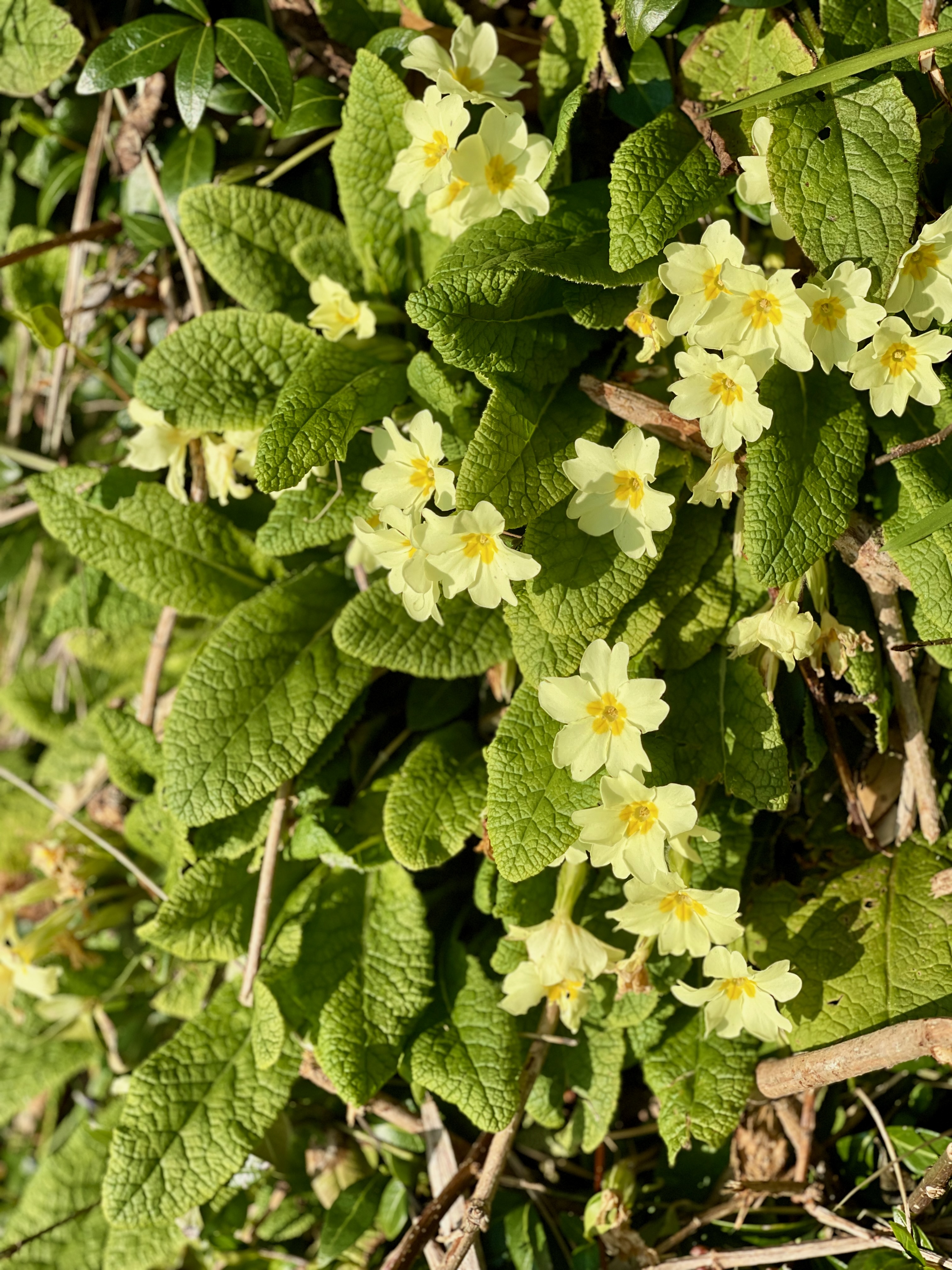
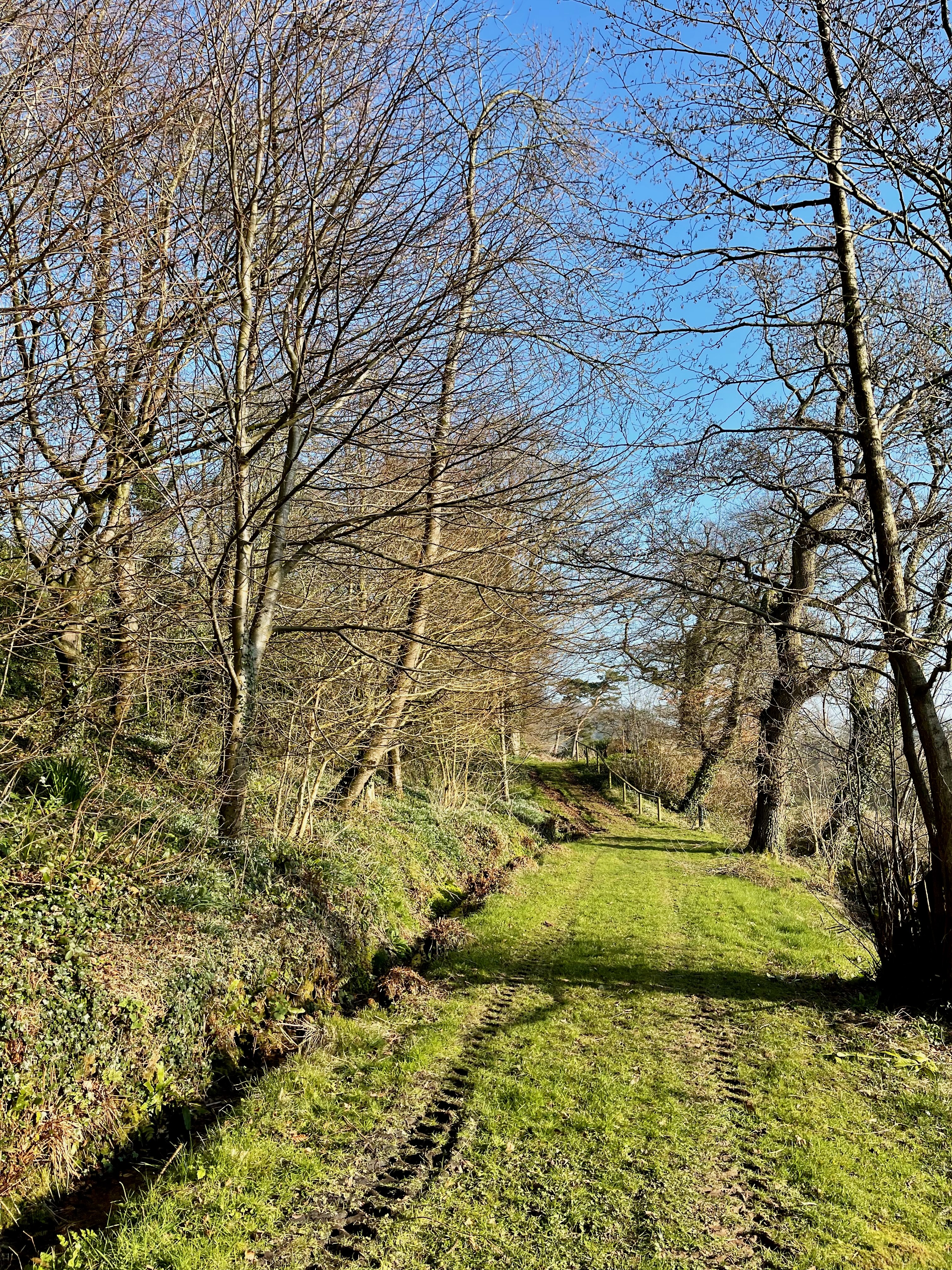
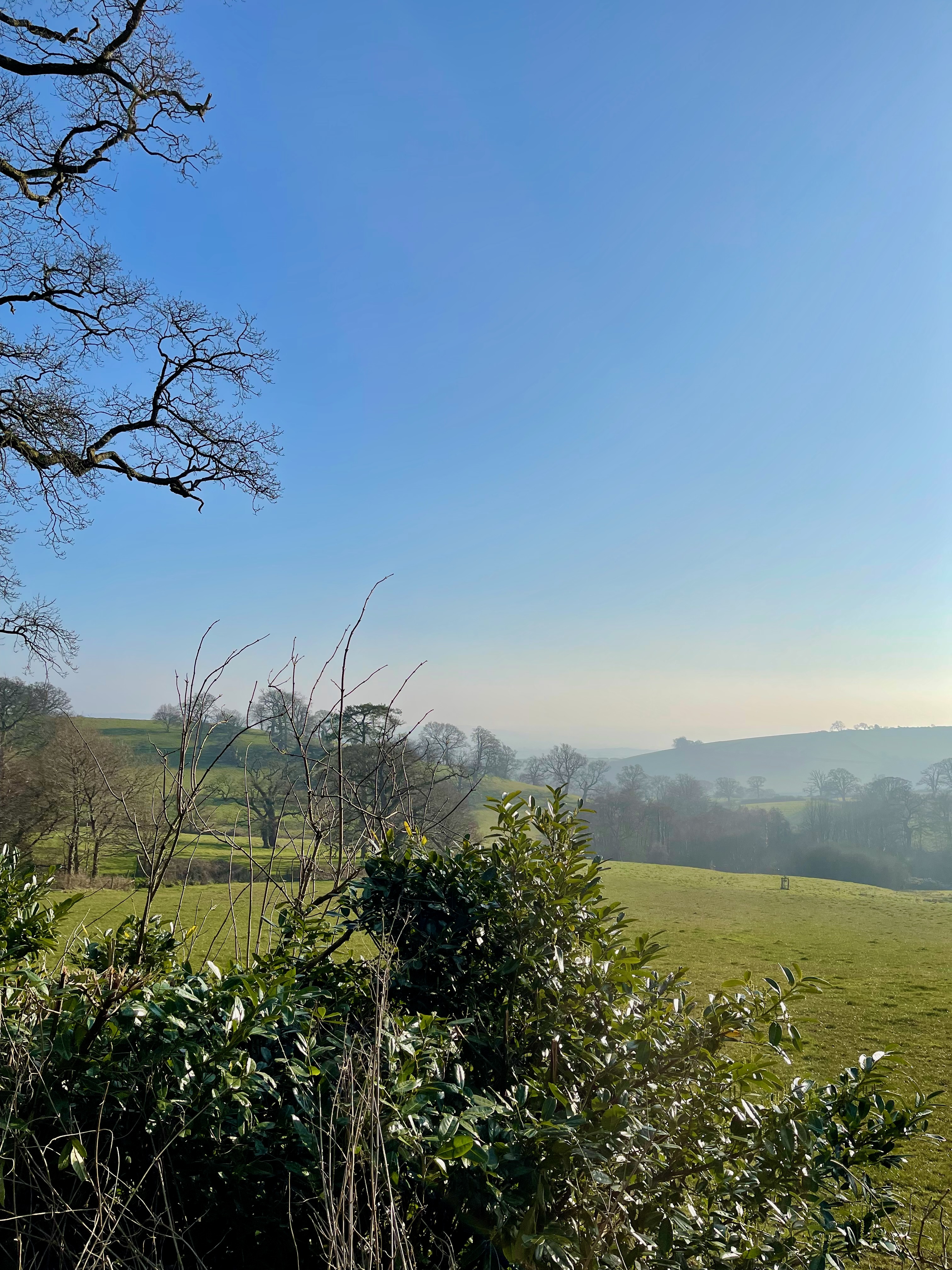
My walk this afternoon took me down to the estate’s meadow gardens …

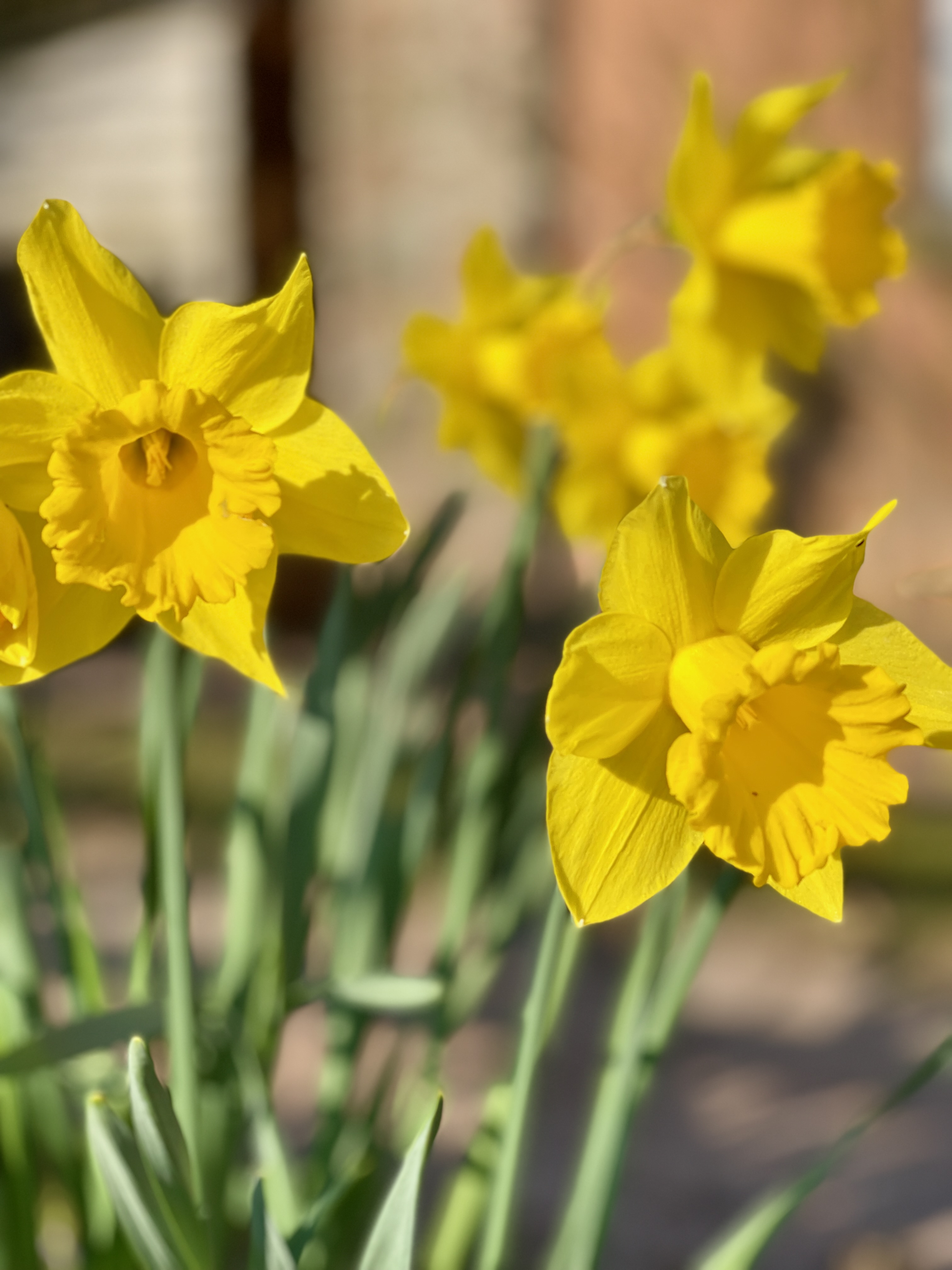


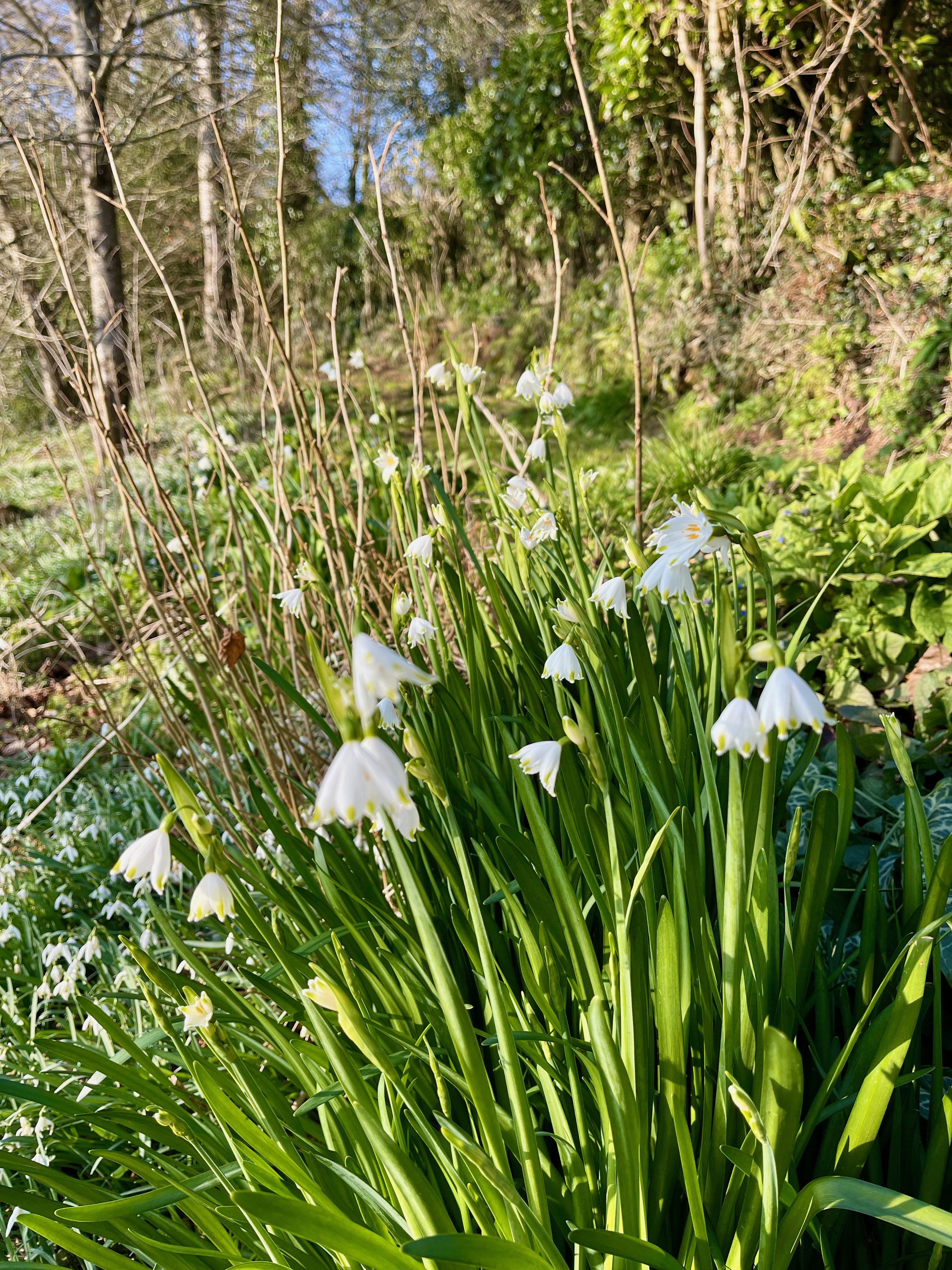
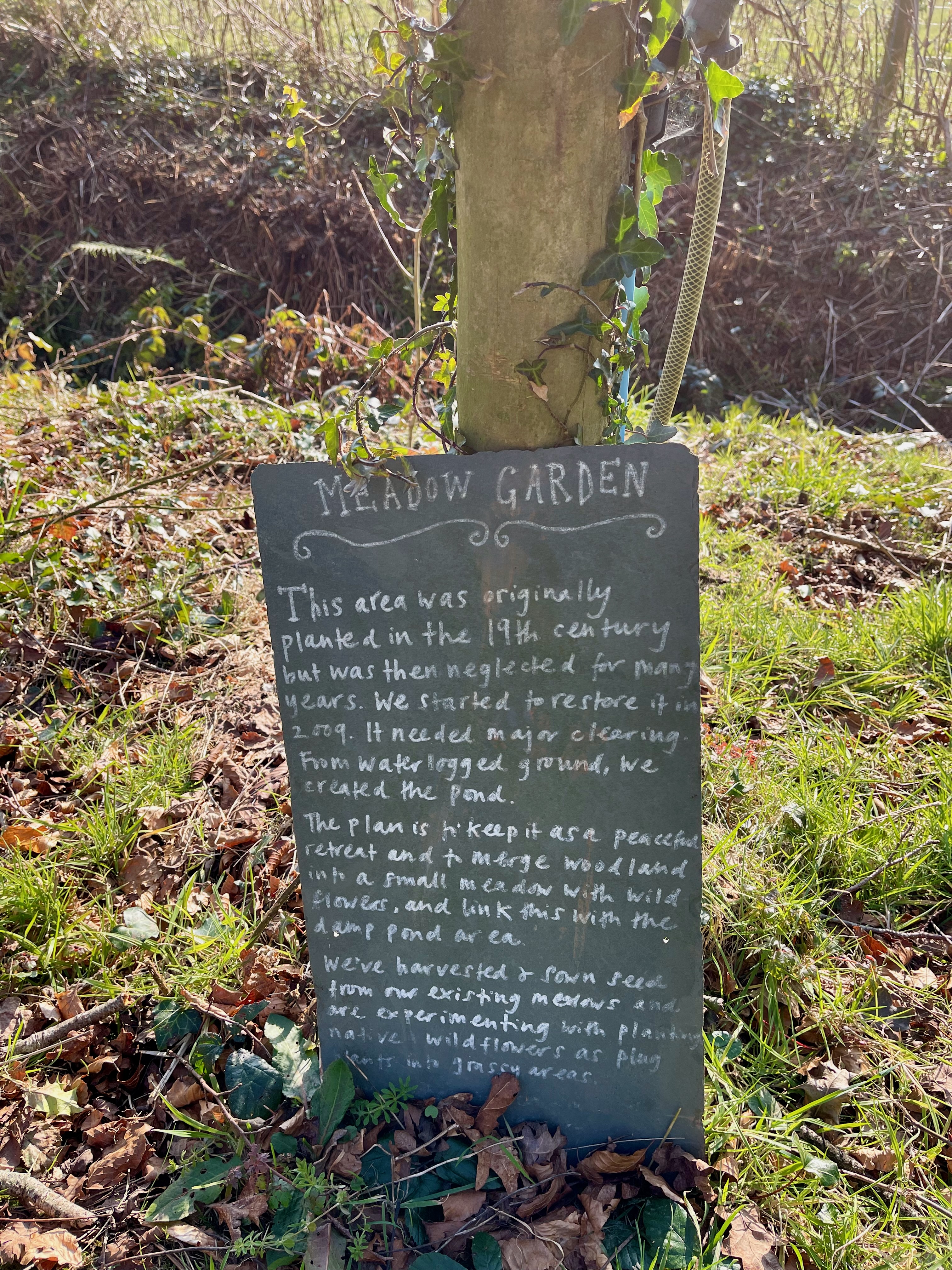
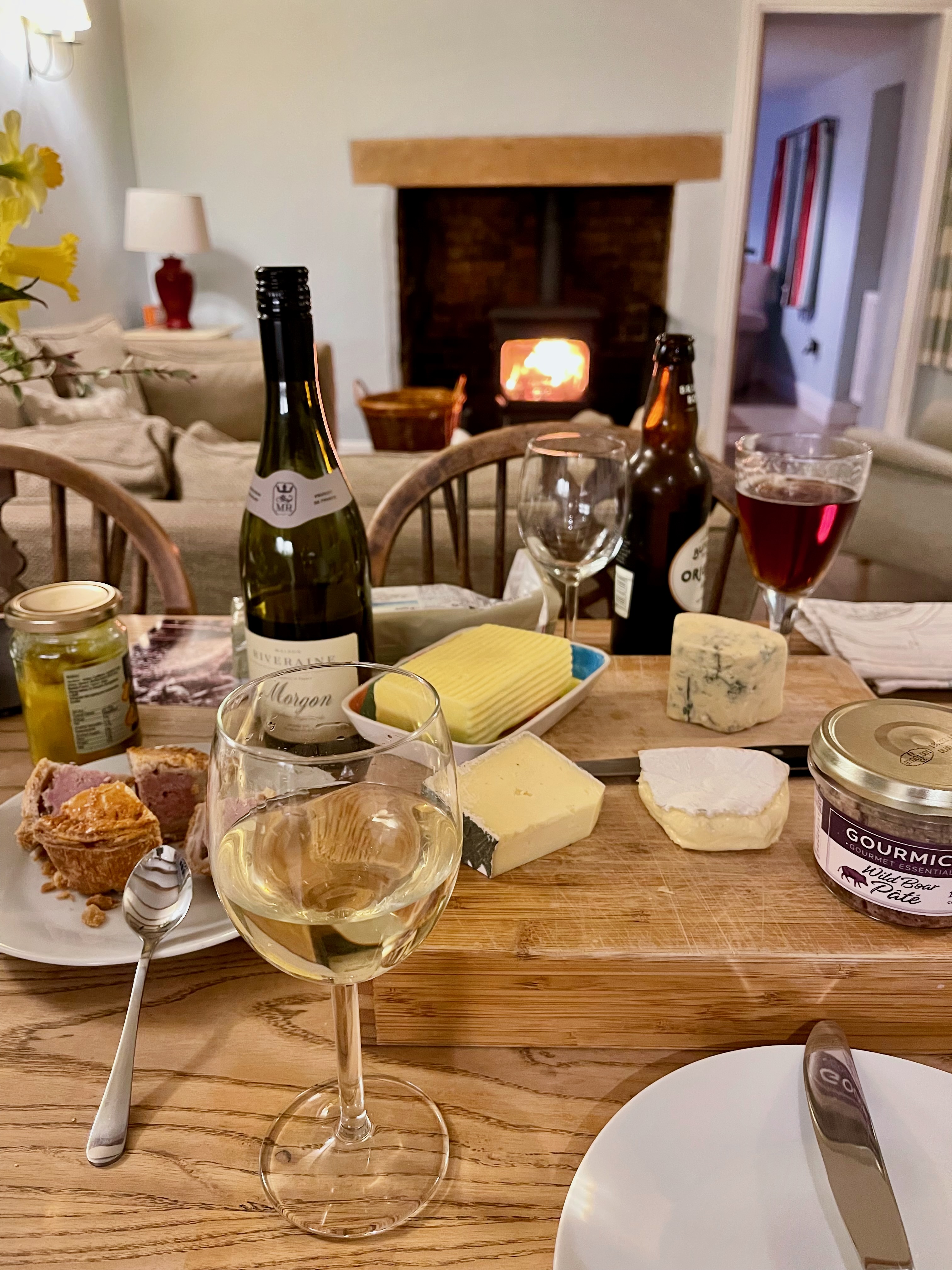
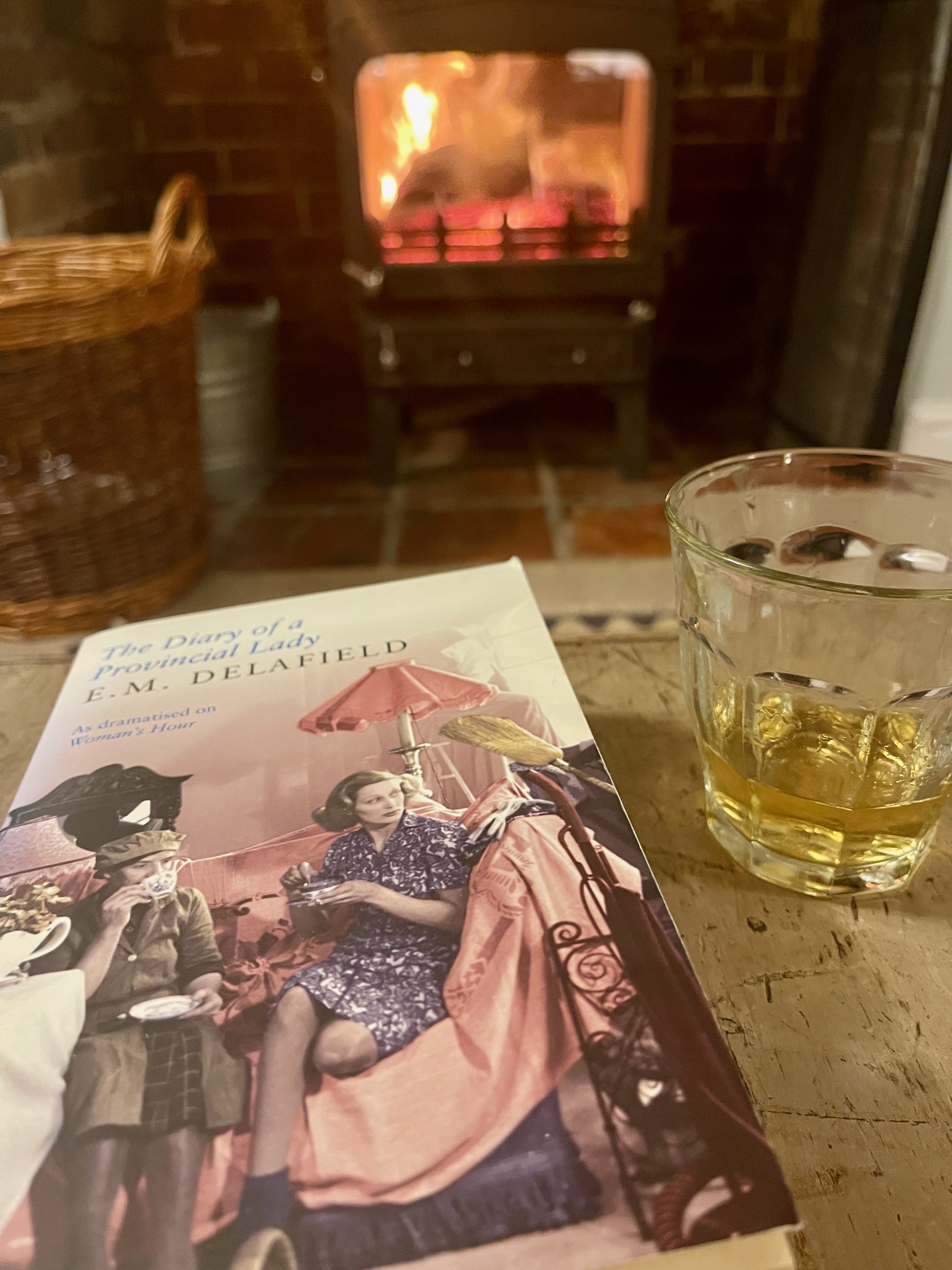
We stayed in again tonight sharing a pork pie and more of the cheese we’d bought in the other day. I found a copy of E.M. Delafield’s The Diary of A Provincial Lady in the bookshelf. As it was set in this area, it was only right that I read it here too.

A Recipe…
The recipe inspired by today’s travels is fish and chips – but healthier fish and chips … the sort of fish and chips that are necessary after five weeks eating the sort of fish and chips in the pic above.
This recipe comes from The Fast 800 plan and serves 2 people…
Ingredients:
- 300g firm white fish
- root vegetables cut into batons eg carrot, parsnip, celeriac
- ½ lemon zest and juice
- 1 tbsp olive oil
- 30g almond meal
- rocket or green salad to serve
Method:
- Preheat the oven to 200°C/400°F/Gas mark 6. Line a baking tray with paper.
- Toss the vegetable batons in the oil with salt and pepper – spread in a single layer over the baking tray and bake for 20 minutes.
- Mix almond meal and lemon zest with a little salt and lightly coat one side of the fish fillets.
- Remove vegetables from oven, gently flip batons and make space in the middle for the fish fillets – return to the oven and bake for another 15 minutes until the fish is cooked through and “chips” are browned.
- Serve each fish fillet on a bed of rocket with the chips and a squeeze of lemon juice.
The stats…
Temperature: -2 – 13C
Miles travelled: Approx 130 miles*

*Even though we work in kms in Australia, all signage in the UK is in miles, so that’s what I’m going with.
These posts are taken directly from my travel journal … you can find the series here.


 And Anyways...
Your photographs are beautiful!!
Thank you
You make me want to go back to England just one last time.
Thank you for reading along.
Thanks for the tour Jo. I haven’t been to this part of England, but I wish I had been. Your photos make me feel like I’ve been there with you. It looks like a beautiful part of the world. The best fish and chips I ever had were in England and Wales. I will definitely be trying your recipe. It really appeals to me with the almond meal.
I love fish and chips in the UK… but the scales, not so much.
Hi, Jo – Your blend of humour, history, and spontaneity made this post such an awesome read — I especially the lifeboat adventure. Thanks for the healthy fish and chips recipe. Looking forward to your next post!
Thanks!
I did hear “Barry” in Stacy’s voice, so well done you! What great stories and tales you share Jo! Have you considered writing…ha, running away now…actually, walking, because who can run at my age! ‘Denyse
PS I do love your travel posts !
I did hear “Barry” in Stacy’s voice, so well done you! What great stories and tales you share Jo! Have you considered writing…ha, running away now…actually, walking, because who can run at my age! ‘Denyse
PS I do love your travel posts !
LOL!!!!
That sounds like another lovely day. Your photos are just beautiful.
Thanks Joanne
More great photos and thanks for the fish and chips recipe!!
You’re welcome.
I love your morning conversation! Sometimes we do England like that, meandering our way to stories and cool sights. Like that venicular and the whole rescue story. Absolutely love the flowers from your afternoon walk. Man spring arrives early there! Bernie
It was such a treat to watch spring, well, spring.
We actually took that little funicular ride years ago. Exciting!
sherry